EU Approves €780 Million Dutch Subsidy for Green Hydrogen
The European Commission has approved a major Dutch support scheme designed to accelerate renewable hydrogen production and help the Netherlands develop up to 400 MW of electrolyser capacity.

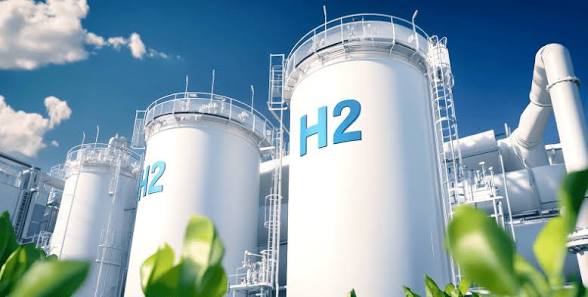
The European Commission has approved a €780 million Dutch subsidy scheme aimed at accelerating the production of renewable hydrogen in the Netherlands. The program is designed to help companies develop large-scale green hydrogen projects by reducing some of the financial challenges associated with building electrolysers and producing hydrogen using renewable electricity. The approval represents another major step in Europe’s efforts to expand clean-energy production and reduce reliance on fossil fuels.
Under the scheme, the Netherlands expects to support projects representing around 400 megawatts of electrolyser capacity. Electrolysers use electricity to split water into hydrogen and oxygen, and when powered by renewable energy, the resulting hydrogen can be produced with very low associated carbon emissions. The Dutch government plans to allocate the support through an auction expected to take place next year, allowing eligible projects to compete for funding.
The initiative comes as European governments search for ways to scale up renewable hydrogen, which is viewed as particularly important for industries that can be difficult to electrify directly. Hydrogen can potentially be used in sectors such as heavy industry, chemicals and other applications where conventional batteries or direct electricity may not be practical. Expanding domestic production could also help the Netherlands and the wider European Union reduce dependence on imported fossil fuels and strengthen energy security.
However, building a competitive hydrogen industry remains challenging. Electrolysers, renewable electricity and supporting infrastructure require substantial investment, while green hydrogen can currently be more expensive than hydrogen produced using fossil fuels. Government subsidies are therefore intended to help close the cost gap and encourage private investment until the industry reaches greater scale. The Dutch scheme demonstrates how public funding is being used to accelerate technologies considered strategically important for Europe’s energy transition.
The EU’s approval ultimately gives the Netherlands another tool for expanding its clean-energy economy. If the supported projects are successfully developed, the program could help increase domestic renewable hydrogen production while encouraging investment in electrolysers and related infrastructure. It also reflects a broader European strategy: combine public support with private investment to build new clean-energy industries and reduce emissions. The success of the program will depend on whether developers can turn the planned projects into commercially viable hydrogen production at scale.