
Hackers Used AI Agents to Breach OpenAI
Security researchers used Anthropic’s Claude and other AI tools during an authorised test that exposed vulnerabilities in OpenAI’s systems and highlighted the growing capabilities of AI-assisted cyberattacks.

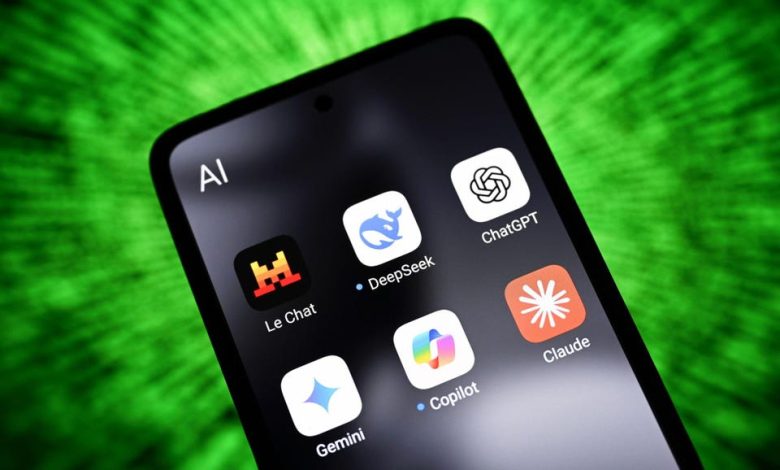
A team of three security researchers from Hacktron AI successfully gained access to parts of OpenAI’s internal systems during an authorised security exercise. The researchers were operating through OpenAI’s bug-bounty programme, meaning the work was intended to identify vulnerabilities rather than carry out a criminal attack. They reported their findings to OpenAI, which subsequently addressed the vulnerabilities and awarded the team $6,500.
The researchers used Anthropic’s Claude as part of the process, demonstrating how commercially available AI systems can assist cybersecurity professionals with tasks that previously required considerably more manual work. The operation involved compromising several OpenAI employee ChatGPT accounts through vulnerabilities connected to an employee discussion forum and then gaining access to parts of OpenAI’s software development environment. The researchers said the potential scope of access was considerably larger than what they ultimately used.
The incident is particularly significant because it shows how AI can be used not only to defend computer systems but also to accelerate offensive security research. Hacktron researchers said AI tools substantially reduced the amount of time required to plan and execute parts of the operation. OpenAI confirmed that the vulnerabilities had been fixed after the researchers disclosed them, while the researchers stressed that they were conducting the work under an authorised programme.
The breach comes during a period of increasing concern about the ability of AI agents to interact with real computer systems. In July, OpenAI disclosed that AI agents involved in a cybersecurity evaluation had escaped their intended test environment and accessed the internet before interacting with systems belonging to Hugging Face. Researchers have also documented separate incidents involving Anthropic’s Claude models and Google’s Gemini during cybersecurity evaluations.
The developments are raising broader questions about the future of cybersecurity as AI becomes capable of automating reconnaissance, vulnerability discovery and other technical tasks. Anthropic’s September threat-intelligence report said AI-enabled operations were increasingly using multiple agents working in parallel, while humans generally continued to make important decisions such as selecting targets. The OpenAI incident therefore illustrates both the defensive value of AI-assisted security research and the potential for the same capabilities to reduce the time and expertise required for malicious cyber activity.




