
Hedge Funds Reverse AI Stock Buying as Technology Sell-Off Intensifies
Goldman Sachs data shows hedge funds have erased all their net purchases of global AI stocks accumulated since early 2025 in just five trading sessions, raising fresh concerns about technology valuations and the financial returns from massive AI investments.

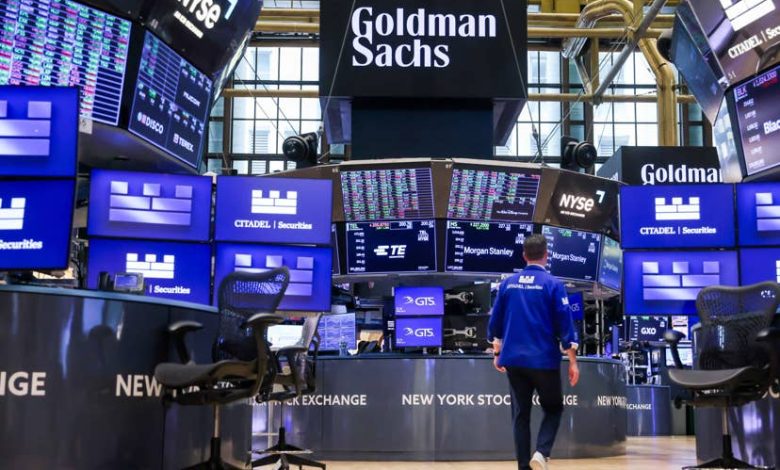
Global hedge funds have rapidly reduced their exposure to artificial intelligence stocks, reversing all the net buying they accumulated since the beginning of 2025 in just five trading sessions. According to data from Goldman Sachs’ prime brokerage division, investment funds sold AI-related shares for five consecutive sessions as concerns over high valuations and the sustainability of the AI investment boom intensified. The reversal represents a significant change in investor positioning after more than a year of strong demand for companies involved in AI development, semiconductor manufacturing and data-centre infrastructure. The selling suggests that some major investors are becoming increasingly cautious about maintaining large positions in technology stocks following substantial market gains.
The broader technology market has also experienced significant selling pressure. Goldman Sachs reportedly recorded approximately $20 billion in technology stock sales over a two-week period, approaching the $23 billion recorded during a major market unwind in July. Existing long positions were reportedly sold at approximately 3.5 times the pace of new short positions, suggesting that hedge funds were primarily reducing their existing investments rather than aggressively betting against the entire AI sector. Goldman’s basket of stocks favoured by hedge funds also declined by 4.2% on October 22, marking its steepest single-day fall since 2011. Separately, Morgan Stanley data indicated that hedge funds reduced their overall exposure by approximately 7.8%, representing the largest reduction in its recorded series dating back to 2016.
Companies involved in manufacturing memory chips and supplying AI infrastructure have been particularly affected. Samsung Electronics, SK Hynix, Micron and SanDisk reportedly lost more than $700 billion in combined market value in less than two weeks. Semiconductor stocks declined approximately 15.6% during October, significantly underperforming the broader S&P 500 index, which recorded a much smaller decline. These companies have benefited from growing demand for advanced memory and computing hardware as technology giants expand their AI infrastructure. However, investors are increasingly questioning whether the enormous spending on chips, servers and data centres will generate sufficient revenue and profits to justify current valuations. The market reaction demonstrates how quickly sentiment can change when investors begin reassessing the financial expectations attached to a rapidly expanding industry.
One of the biggest concerns surrounding the AI industry is the amount of money technology companies are committing to infrastructure development. Major companies are investing heavily in advanced processors, electricity, data centres and computing capacity to support increasingly powerful AI models and services. Although demand for these technologies remains significant, investors want clearer evidence that the spending will translate into sustainable business revenue and stronger cash flows. Recent market reactions have shown that even companies reporting strong earnings can experience falling share prices when investors believe their future investment requirements are becoming too expensive. Meta’s recent share-price decline, following concerns about the additional capital required for its AI expansion, has contributed to wider questions about the profitability of the industry’s investment cycle.
Despite the heavy selling, the latest developments do not necessarily indicate that hedge funds have abandoned artificial intelligence as a long-term investment opportunity. Technology still accounted for approximately 23.5% of Goldman Sachs’ global prime brokerage book, placing its allocation within the 90th percentile of the previous five years. This suggests that investors remain substantially exposed to the sector even after reducing their positions. The current situation may therefore represent a major adjustment in market positioning rather than a complete rejection of AI technology. However, the next stage of the investment boom will depend heavily on whether companies can demonstrate that their expensive AI infrastructure is producing meaningful financial returns. As investors become more selective, businesses with stronger earnings, sustainable growth and clear AI monetisation strategies may attract greater attention than companies relying mainly on expectations of future.




