
Honda to Test Wireless Charging Roads for Moving Electric Vehicles
Honda has developed technology that can wirelessly charge electric vehicles while they are moving and plans to demonstrate the system on a Japanese public road from 2027.

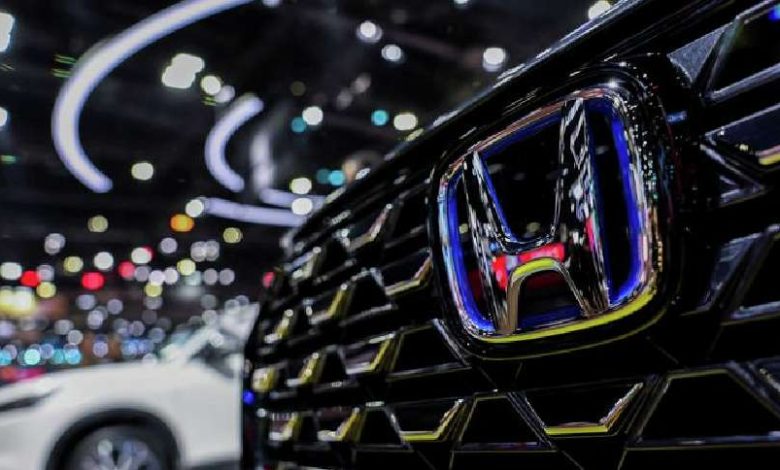
Honda is preparing to test a new wireless charging system that could allow electric vehicles to recharge while driving. The Japanese automaker, working through its research arm Honda R&D alongside construction companies Taisei and Taisei Rotec, has developed technology that transfers electricity from charging equipment embedded beneath the road surface to a receiver installed on the vehicle. The companies plan to begin public-road demonstrations in Japan during the fiscal year starting April 2027.
The technology, known as Dynamic Wireless Power Transfer, is designed to reduce the need for EV drivers to stop at charging stations. Charging units installed in the roadway transmit electricity wirelessly to vehicles as they pass over them. Honda says the system could be particularly useful for logistics and transportation, where commercial vehicles travel long distances and frequent charging stops can reduce operating efficiency.
Honda and its partners have already conducted testing on a dedicated test roadway, including work on pavement structures capable of handling large commercial vehicles weighing approximately 20 tonnes. The companies are also preparing another test roadway for late 2026, where they will evaluate long-term durability, wireless power-transfer performance and electromagnetic-field leakage. Testing will include a loading test equivalent to approximately one million wheel loads.
The next stage will examine wireless power transfer at outputs of up to 150 kilowatts, potentially making the system suitable for large commercial vehicles. Engineers will also test how reliably electricity can be transferred to vehicles travelling at higher speeds. The public-road demonstration is expected to form part of the Tateyama Project on the Tateyama Expressway in Chiba, Japan, led by East Nippon Expressway Company.
Despite the potential benefits, the technology still faces major challenges before it could become widespread. Installing electrical equipment throughout road networks would require substantial infrastructure investment, while durability, safety, maintenance and electromagnetic interference would have to be carefully managed. Honda has also acknowledged that the economic viability of the system still needs to be assessed against conventional high-speed charging networks. If those challenges can be overcome, however, wireless road charging could reduce charging stops, support smaller batteries and make electric trucks more practical for long-distance transportation.




