President Donald Trump has said the US moved its bombers out of RAF Fairford because of “some threats” to the base.
The Pentagon confirmed on Sunday it had removed its bombers – thought to be about a dozen B-1s – from the base back to their home stations in America.
Speaking to journalists as he left for Nebraska on Monday, Trump stated that the US had known of a “threat”, which led them to move the bombers.
Earlier on Monday, a No 10 spokesperson had insisted RAF Fairford was safe and pointed to Trump’s comments last week, where he praised the UK’s “police, defence and security services” in relation to the base.
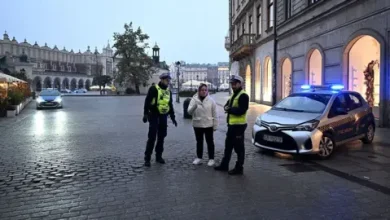
Trump’s comments seen to confirm reports by US media that a new threat led to the bombers being removed after a major incident on 27 September when police were alerted to three “suspicious vehicles” near the airbase.
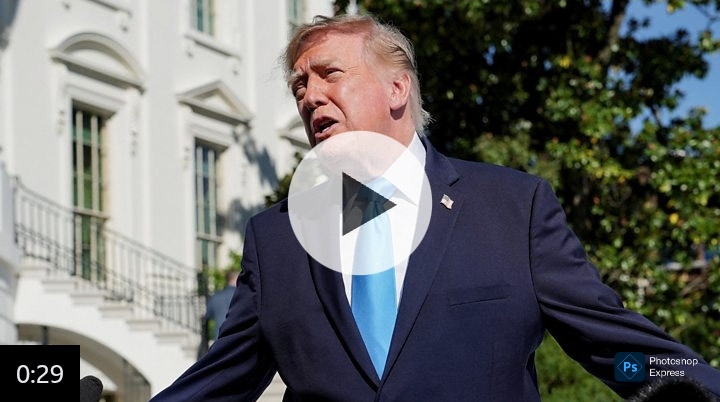
While speaking to a gaggle of reporters outside the White House, Trump was asked if a “specific threat” had led the US to pull its bombers from the airbase.
Trump replied: “Yeah I think we can say that. They didn’t fly out by accident.
“There were some threats. And rather than tempting the enemy, we’ll capture the enemy and beat the enemy. But why should we leave them there? So we moved them around a little bit. Not very far.”
He added Washington “actually knows the people that made the threat”, he but did not confirm who.
The exact nature of the threat that prompted the aircraft’s removal from RAF Fairford remains unclear, but sources in Washington speculated to the BBC it might have revolved around sabotage attempts or attempts to strike the sensitive, expensive aircraft in the event of resumed hostilities with Iran.
One source close to the White House pointed to Ukraine’s Operation Spiderweb – a covert drone attack on five Russian bases in June last year – as an example of what an enemy force could do, even at a distance.
“Whatever they thought it was, it was taken extremely seriously,” the source said.
Trump’s comments, and those of Vance before him, stand in stark contrast to those of Secretary of State Marco Rubio.
While both Trump and Vance pointed to an unspecified threat, Rubio was much more guarded in his language, noting that it was “not unusual” for military units and assets to rotate and be moved around the world.