
Meta Discloses $825 Billion in Future Spending Commitments as AI Costs Surge
Meta has revealed approximately $825 billion in future leases and contractual commitments, much of it linked to artificial intelligence infrastructure, intensifying investor concerns about the cost of competing in the global AI race.

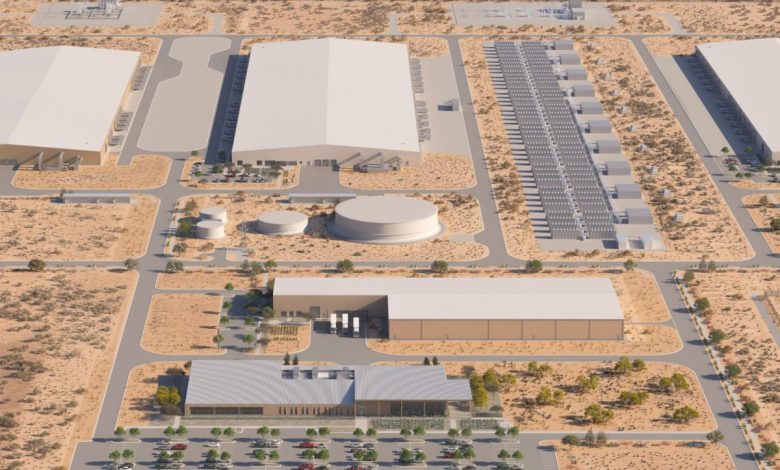
Meta Platforms has disclosed approximately $825 billion in future spending commitments, highlighting the enormous financial obligations associated with its artificial intelligence expansion. The disclosure emerged in the company’s quarterly financial filings published on October 22, 2026, following its third-quarter earnings announcement. According to the filing, the commitments include data-centre leases, cloud-computing contracts, energy infrastructure and other long-term agreements. The figure does not represent a single annual budget or money being spent immediately. Instead, it combines different categories of future obligations that will be fulfilled over several years. Nevertheless, the scale of these commitments illustrates how aggressively Meta is investing in the computing infrastructure required to develop advanced AI models and services.
The company’s disclosure includes approximately $355.7 billion in operating and finance leases that had not yet commenced by September 30, 2026. These arrangements cover infrastructure such as data centres and energy facilities, with leases scheduled to begin at different points through 2036. Meta also reported approximately $454.5 billion in non-cancellable short- and long-term contractual commitments. Many of these agreements relate to third-party cloud-computing capacity, data-centre energy supplies and hardware associated with its Reality Labs division. In addition, the company disclosed up to $14.7 billion in potential cloud-computing purchasing obligations over five years, although this amount could decrease if the service provider resells the relevant capacity to other customers. Together, these figures demonstrate the extensive infrastructure commitments Meta is making to support its future operations.
The disclosure comes as Meta increases its capital expenditure to compete with other major technology companies developing increasingly powerful AI systems. For 2026, the company raised the lower end of its capital expenditure forecast, now expecting spending of between $135 billion and $145 billion, including principal payments on finance leases. During the third quarter, Meta recorded $64.6 billion in revenue, representing a 26% increase compared with the same period in 2025. However, its total expenses rose 68% to approximately $51.6 billion, partly because of a substantial legal charge connected to an agreement involving US state attorneys general. Meta also reported negative free cash flow of approximately $2.12 billion for the quarter. These results show that although its advertising business remains strong, the company’s growing investment requirements and other costs are putting pressure on its finances.
Meta’s expanding AI infrastructure is intended to support several strategic priorities, including the development of advanced models, personal AI assistants and improved advertising systems. Chief executive Mark Zuckerberg has placed AI at the centre of the company’s future, arguing that investments in computing power and AI capabilities will create new opportunities across its products. Meta’s Muse assistant is part of this strategy, alongside efforts to improve recommendations, automate business processes and develop more personalised digital experiences. The company believes these investments can strengthen its advertising business while creating additional sources of revenue. However, the financial benefits may take years to fully materialise, whereas infrastructure contracts and related operating costs can create substantial obligations in the meantime. This difference between immediate spending and future returns is a major reason investors are examining Meta’s long-term commitments closely.
Investors reacted cautiously to the disclosure, reflecting broader concerns about whether the technology industry’s AI investments will generate sufficient returns. Meta’s shares came under pressure as markets assessed its spending plans and the possibility that increasingly expensive infrastructure could reduce financial flexibility. The company also announced plans to establish a new class of non-voting shares, adding another dimension to discussions about how it may finance future acquisitions and other strategic priorities. Meta is not alone in facing these questions: technology companies across the industry are committing enormous sums to data centres, specialised chips and energy supplies as they compete to develop advanced AI capabilities. The central challenge for Meta will be to convert its infrastructure investments into sustainable revenue growth without allowing its long-term obligations to overwhelm its financial performance. Its future results will help determine whether this aggressive strategy delivers the returns management expects.




