
US Investigates Alleged Chinese Spy Plot Targeting Nvidia CEO Jensen Huang
US intelligence agencies are investigating allegations that a former executive of a Singapore-based technology company passed information to Beijing while maintaining close business connections with Nvidia CEO Jensen Huang.

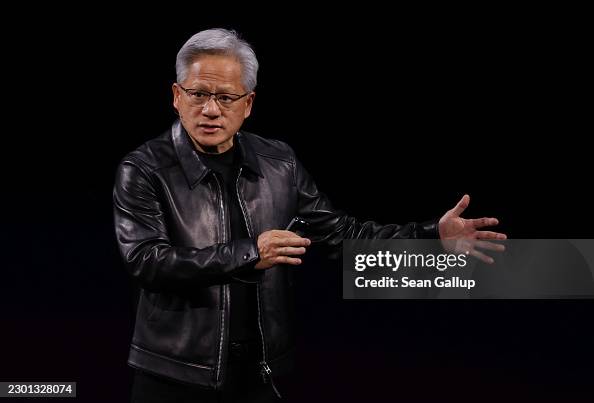
US intelligence agencies have reportedly investigated an alleged Chinese espionage operation involving a former senior executive of Singapore-based technology company Megaspeed International and her connections with Nvidia CEO Jensen Huang. According to a report published by The New York Times on October 29, 2026, the executive, identified as Alice Huang, also known as Huang Le, was suspected by US officials of acting as an intelligence asset for Beijing. Investigators reportedly believed she had developed a close relationship with Jensen Huang through business meetings and technology industry events. The investigation raised concerns that information obtained through those interactions could potentially have been passed to Chinese authorities. The allegations have not been established in court, and important details about the suspected intelligence operation remain undisclosed.
The investigation is closely connected to wider concerns about the movement of advanced Nvidia artificial intelligence chips into China despite US export restrictions. Megaspeed operates in the AI infrastructure industry, purchasing advanced computing equipment and developing data centres whose processing capacity can be rented to customers. US authorities have previously examined whether the company helped Chinese businesses obtain restricted Nvidia chips indirectly through overseas facilities. Investigators reportedly suspected that some equipment purchased through regional intermediaries was being used to provide computing access to Chinese technology companies, potentially allowing them to bypass restrictions on direct chip purchases. Megaspeed has denied wrongdoing, while Nvidia has maintained that it follows applicable export-control laws.
According to the reports, Alice Huang’s business relationship with Nvidia attracted particular attention because Megaspeed was involved in developing data-centre infrastructure in Southeast Asia. She was reportedly photographed attending business gatherings with Jensen Huang and other technology executives. US intelligence officials were concerned that her proximity to the Nvidia chief could have created opportunities to gather information about the company’s operations, commercial strategy and discussions surrounding chip exports to China. The investigation reportedly examined whether sensitive information could have reached Beijing through these connections. However, Nvidia strongly rejected suggestions that its CEO had shared confidential company information with the executive. The company said his interactions with regional customers were normal business activities and that such customers did not receive sensitive trade secrets or information relevant to national security.
The case also highlights the growing difficulty of enforcing US restrictions on advanced semiconductor exports. Since Washington introduced tighter controls on powerful AI chips, investigators have uncovered several alleged schemes involving intermediaries, shell companies and shipments routed through Southeast Asian countries. Some companies have reportedly purchased Nvidia equipment under the claim that it would remain in Malaysia or Singapore before allegedly redirecting it towards restricted destinations. Singaporean and Taiwanese authorities have also examined Alice Huang’s connections and activities, according to the reporting. The US investigation into Megaspeed reportedly moved from the Commerce Department to the Justice Department, reflecting the seriousness of the allegations. Meanwhile, the exact extent of any suspected chip diversion and the involvement of individual executives remain subjects of investigation.
Nvidia CEO Jensen Huang has continued to defend the company’s business relationships, describing its dealings with Megaspeed as normal and not unusual. The company has also argued that it evaluates customers and works with authorities to prevent illegal diversion of its products. China, meanwhile, has rejected the espionage allegations, while the wider dispute reflects increasing tensions between Washington and Beijing over artificial intelligence, semiconductor technology and national security. The investigation could have consequences for Nvidia’s international partnerships, overseas data-centre operators and companies involved in the global AI chip supply chain. It also raises questions about how governments can protect sensitive technology while allowing legitimate international business activities to continue. For now, the allegations remain under investigation, and no conclusion should be drawn about the guilt of the individuals or companies involved.




