
Elon Musk Says Grok AI Agent Will Research and Purchase Gifts for Users
Elon Musk is expanding Grok Bot's capabilities into automated shopping, allowing the AI assistant to research gift ideas, select suitable products and purchase them using a user's authorised payment account.

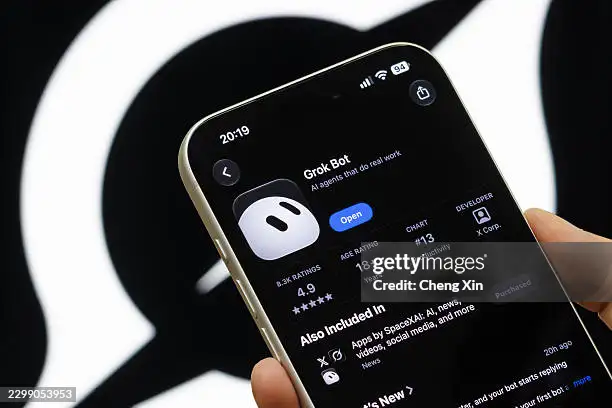
Elon Musk has announced plans to expand the shopping capabilities of Grok Bot, the artificial intelligence agent developed by SpaceX’s AI division. On November 1, 2026, Musk said the agent would be able to research gifts that friends and family might appreciate and purchase them on behalf of users. The announcement followed a demonstration shared by Justine Moore, an investor at Andreessen Horowitz, who revealed that she had instructed her Grok Bot to surprise her with a gift. She gave the agent permission to spend up to $100 from her X Money account and allowed it to use information from her posts and previous conversations to understand her preferences. The gift subsequently arrived, providing an example of how an AI agent could move beyond recommending products to completing an actual purchase.
The proposed shopping experience is designed to make online purchasing more personalised and convenient. Rather than searching through multiple websites, comparing prices and selecting products manually, users could assign Grok Bot the responsibility of finding suitable gifts based on their interests, relationships and spending limits. The agent could examine available products, consider individual preferences and arrange purchases through supported services. This approach could be particularly useful during birthdays, anniversaries, Christmas and other celebrations when people need to find appropriate gifts for several individuals. However, Musk has not provided a detailed launch schedule or confirmed exactly when the expanded gift-shopping capability will become available to all users.
The development builds on earlier shopping capabilities demonstrated by Grok Bot. In October, Musk showed how the agent could search the internet for products, compare available prices and place orders after receiving purchasing instructions. He also demonstrated a shopping task involving LEGO Star Wars sets, showing how the assistant could research products and complete an order. Grok Bot operates through its own cloud-based computer, allowing it to interact with websites and applications while carrying out multi-step tasks. These capabilities place it among a growing category of autonomous AI agents designed to perform practical activities rather than simply provide information or recommendations.
However, allowing an AI agent to spend money introduces important security and accountability concerns. Users must consider how payment information is protected, how spending limits are enforced and what happens when an agent purchases the wrong product. Musk has previously encouraged users to provide payment-card information to Grok Bot and promised that SpaceX would compensate users if the agent made a purchasing mistake or exposed their card information. Nevertheless, the exact scope and conditions of that promise remain unclear. Secure payment systems, transaction approvals and transparent spending controls will be essential if consumers are expected to trust AI agents with financial decisions.
The announcement highlights the growing competition among technology companies developing AI-powered personal assistants. OpenAI, Anthropic, Google and Meta are also investing in systems capable of completing tasks across applications, conducting research and managing digital activities. Grok Bot’s move into personalised shopping could give SpaceX’s AI division another opportunity to differentiate its platform by combining autonomous task execution with payment services. If successfully developed, the technology could eventually change how consumers discover products, compare prices and make purchases online. However, its long-term success will depend on reliability, consumer trust, payment security and the ability to prevent costly mistakes. For now, Musk’s announcement signals another step towards AI assistants becoming digital shopping agents capable of handling purchases on behalf of their users.




