
OpenAI Says ChatGPT Search Has Reached One-Fifth of Google’s Search Volume
OpenAI says ChatGPT now handles approximately 20% of Google’s search volume, as the AI platform reaches 1.2 billion weekly active users and expands its voice, image-generation and productivity features.

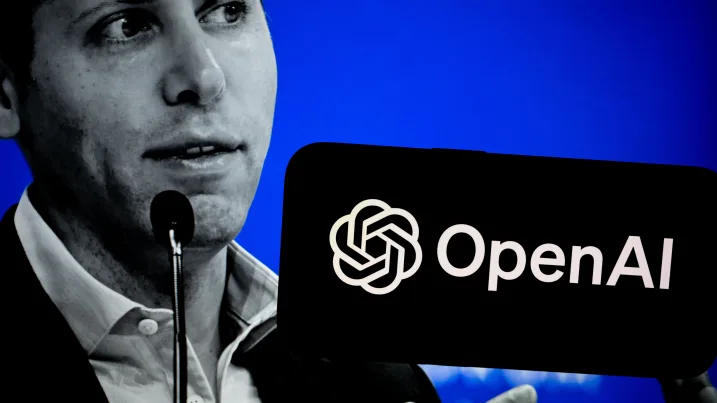
OpenAI has revealed that ChatGPT is rapidly becoming a major destination for people searching for information online. According to Adam Fry, OpenAI’s consumer product lead, ChatGPT now handles approximately one-fifth of Google’s search volume. He disclosed the figure during a conversation with technology journalist Alex Kantrowitz at an OpenAI-hosted event in New York on November 2, 2026. The announcement suggests that users are increasingly turning to conversational artificial intelligence for information that they would traditionally have searched for through conventional search engines. Fry explained that ChatGPT has expanded beyond its original uses in writing and coding, with people now relying on it to research individuals, discover places, compare products and obtain current information.
One of the biggest figures revealed during the discussion was ChatGPT’s growth in weekly active users. Fry said the platform had increased from approximately one billion to 1.2 billion weekly active users in just 60 days, adding around 200 million users during that period. This represents an average increase of approximately 100 million weekly users per month. The growth highlights the increasing popularity of AI-powered services as more individuals, businesses and professionals incorporate conversational assistants into their daily activities. However, these figures were provided by OpenAI and have not been independently audited or accompanied by a detailed public measurement methodology. Nevertheless, the reported expansion demonstrates the scale of the company’s consumer ambitions and the growing competition among major technology companies developing AI platforms.
Fry also explained how OpenAI calculates ChatGPT’s search activity. According to him, every time a user asks a question that causes ChatGPT to search the web, it counts as a search. This includes questions about people, locations, products, financial information and health topics where up-to-date information is important. The approach differs from traditional search engines, where users generally enter keywords or short phrases to receive a list of websites. ChatGPT instead provides conversational responses that can incorporate information from multiple sources. However, the comparison between ChatGPT and Google should be treated carefully because the companies may measure search activity differently. OpenAI has not published the complete methodology behind its one-fifth estimate, and Google has not independently confirmed the comparison.
Beyond search, OpenAI disclosed impressive figures involving voice and image generation. Fry said ChatGPT’s voice features, including dictation and spoken conversations, now have approximately 250 million weekly active users. He also revealed that users generate around 1.5 billion images every week through the platform. These figures demonstrate how AI applications are increasingly moving beyond text-based conversations into multimedia experiences. Voice technology allows users to communicate naturally with AI assistants, while image generation is becoming useful for creative projects, marketing materials, educational illustrations and business presentations. Fry also confirmed that OpenAI had previously surpassed 50 million paid subscriptions and said the number had grown considerably since then. He further stated that ChatGPT’s advertising business had exceeded $1 billion in annualised revenue within 200 days.
Another important development discussed was OpenAI’s plan to combine ChatGPT’s separate Chat and Work modes. The proposed change is intended to simplify the user experience by reducing the need to choose between receiving a quick conversational response and completing a longer, more complex task. Instead, ChatGPT would increasingly determine how much effort and which capabilities are required to handle a request. This direction reflects the industry’s broader movement towards AI assistants capable of conducting research, interacting with applications and completing multi-step assignments. Although Fry described the integration as coming soon, he did not provide a specific release date. Overall, OpenAI’s latest figures highlight its growing ambitions in AI-powered search and productivity, while increasing pressure on traditional search providers to respond to changing user behaviour.




