
Tesla to Wind Down Cybertruck Production as Musk Shifts Focus to Cybercab
Elon Musk announces plans to scale back Cybertruck manufacturing at Tesla's Texas factory by mid-2027 to create more production capacity for the company's autonomous robotaxi.

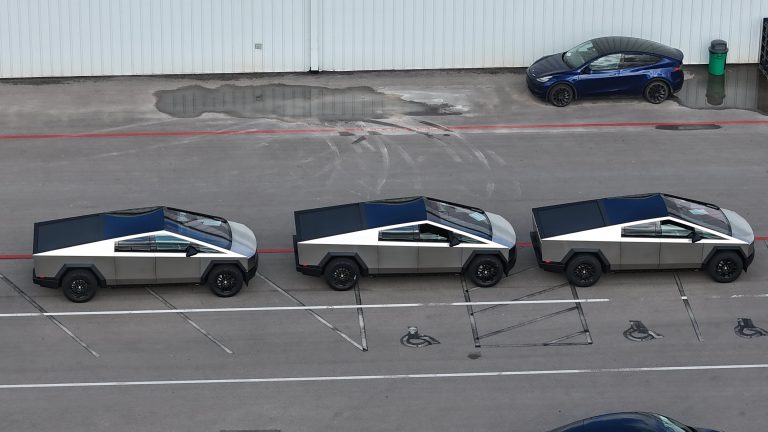
Tesla plans to wind down production of its Cybertruck electric pickup at its Gigafactory in Texas around the middle of 2027, according to Chief Executive Officer Elon Musk. In an announcement on November 6, Musk explained that the decision would create additional manufacturing capacity for the company’s Cybercab, an autonomous two-seat vehicle designed for its robotaxi ambitions. The announcement represents a significant change in Tesla’s production priorities as the company increasingly focuses on artificial intelligence, robotics and self-driving transportation.
The Cybertruck was unveiled in 2019 and attracted considerable attention because of its unusual stainless-steel design and futuristic appearance. However, the vehicle has struggled to achieve the commercial success initially anticipated by Musk. Its sales have remained below expectations, while multiple recalls, quality-control problems and repeated price adjustments have affected its market performance. Tesla reportedly sold 20,237 Cybertrucks in the United States in 2025, significantly below Musk’s original annual production target of 250,000 vehicles.
The decision comes as Tesla accelerates development of the Cybercab, which Musk hopes will become a major part of the company’s future transportation business. The vehicle features a two-seat design and is built without a traditional steering wheel or pedals, relying entirely on autonomous driving technology. Tesla began offering limited paid Cybercab rides in Austin, Texas, in September 2026, although its technology and regulatory certification remain under scrutiny from US transportation safety authorities.
Despite the planned production reduction, Musk has not confirmed whether Cybertruck manufacturing will be transferred to another facility or discontinued completely. Tesla has also not provided details about how the decision will affect outstanding orders and future customer deliveries. The development highlights the company’s changing strategy as it moves away from traditional vehicle production towards autonomous mobility and artificial intelligence. Investors will be watching whether the Cybercab can achieve commercial success and deliver the growth Tesla expects from its expanding robotaxi business.




