Nigeria is blessed with an abundance of indigenous foods that do far more than satisfy hunger. Long before modern medicine became widely accessible, many communities relied on locally available foods to prevent illnesses, improve strength, aid recovery, and promote overall well-being.
While these foods should not be regarded as replacements for professional medical treatment, scientific studies have shown that many of them contain nutrients and natural compounds that contribute significantly to good health.
Here is a look at some deeply rooted Nigerian staples and ingredients, along with the traditional remedies and health benefits they offer.
Bitter Leaf: (Onugbu, Ewuro, Shiwaka)
The Cultural Story: Bitter leaf remains one of Nigeria’s most valued medicinal vegetables. Rich in antioxidants, vitamins A and C, iron, calcium, and fibre, it has been used traditionally to improve digestion, stimulate appetite, and support blood sugar management.
Medicinal Value: Packed with flavonoids and alkaloids, fresh bitter leaf juice is widely used to naturally lower blood sugar levels, soothe stomach upsets, and act as a natural liver detoxifier. Whether prepared as bitter leaf soup or consumed as juice, the vegetable remains an important part of healthy Nigerian diets.
Scent Leaf (Efirin / Nchanwu / Ahuji)
The Cultural Story: No pepper soup or Ofe Akwu (palm nut soup) is complete without the soothing, anise-like aroma of scent leaf. It is customary to brew a fresh hot infusion of these leaves whenever someone in the household shows signs of a cold or a restless stomach.
Medicinal Value: Rich in essential oils like eugenol, scent leaf acts as a potent antibacterial and antifungal agent. It aids digestion, relieves gut spasms, and eases respiratory congestion.
Udara / Agbalumo (African Star Apple)
The Cultural Story: The arrival of Agbalumo season brings back fond childhood memories of sticky fingers and chewable seed gums. Beyond the sweet-and-sour taste, the fruit holds a special place in folklore as a fruit of fertility and vitality.
Medicinal Value: Agbalumo is rich in Vitamin C (significantly more per serving than in oranges) and natural antioxidants. The astringent bark and seeds are also traditionally steeped to treat intestinal parasites and lower inflammation.
Ehuru (African Nutmeg)
The Cultural Story: Ehuru gives pepper soup, Abacha, and traditional sauces their unmistakable warm, nutty aroma. Roasting the seeds over open flames to crack the shell is a sacred ritual in traditional Nigerian cooking.
Medicinal Value: Containing active compounds such as myristicin, Ehuru serves as a natural sedative to treat insomnia, relieves gastrointestinal pain, and relaxes tight muscles after heavy labour.
Ukpaka / Ugba (Fermented Oil Bean Seeds)
The Cultural Story: Sliced into translucent ribbons and mixed into Abacha or Ugba salads, these fermented seeds carry a pungent, rich flavour profile unique to Eastern Nigeria.
Medicinal Value: The traditional fermentation process produces beneficial probiotics that support gut health. Additionally, studies show that oil bean seeds are rich in saponins, which help lower cholesterol and support cardiovascular health.
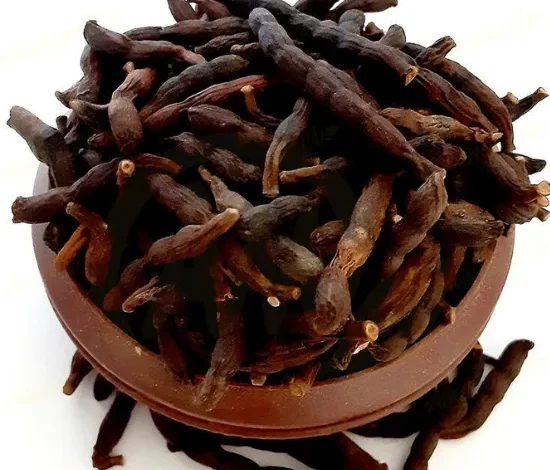
Uda (Negro Pepper / Xylopia aethiopica)
The Cultural Story: Uda pods are the heart of post-natal care (Omugwo) in Southern and Eastern Nigeria. Traditionally, new mothers are served hot, spicy Uda-infused pepper soups to help the body heal after childbirth.
Medicinal Value: Uda has powerful anti-inflammatory and uterine-contractile properties that help cleanse the womb after delivery, reduce internal swelling, and clear chest congestion.
Zobo (Hibiscus sabdariffa)
The Cultural Story: Chilled Zobo sweetened with pineapple, ginger, and cloves is the ultimate Nigerian crowd-pleaser at celebrations. But long before it became a popular street drink, it was brewed as a soothing herbal tea in Northern Nigeria.
Medicinal Value: Brewed hibiscus leaves contain high concentrations of anthocyanins, which clinical trials have shown can naturally reduce high blood pressure (hypertension) and lower bad cholesterol (LDL).
Utazi Leaves (Gongronema latifolium)
The Cultural Story: Sharp, bitter, and slightly sweet at the end, Utazi is finely shredded and added to Nkwobi or Isi Ewu, or eaten raw with garden eggs. It is celebrated as a post-meal cleanser after rich, fatty foods.
Medicinal Value: Utazi contains bioactive compounds that help regulate insulin production, promote liver function, and relieve post-meal bloating and acid reflux.
Ogi / Akamu (Fermented Cereal Pudding)
The Cultural Story: Made from fermented corn, millet, or sorghum, Ogi is Nigeria’s ultimate comfort food for recovery. It is the go-to meal for toddlers weaning off breast milk and patients recovering from illness.
Medicinal Value: The natural lactic acid fermentation introduces beneficial lactobacilli (probiotics) into the gut. It hydrates the body quickly, restores easily digestible energy, and helps soothe an irritated intestinal lining.
Unripe Plantain (Ogede Agbagba)
The Cultural Story: While sweet, ripe plantains steal the show at parties, unripe plantain boiled with leafy greens or pounded into flour (Amala Ogede) is legendary among elders as the secret to longevity and strong joints.
Medicinal Value: High in resistant starch and potassium, unripe plantain doesn’t spike blood sugar, making it ideal for managing diabetes. It also helps prevent gastric ulcers by stimulating the growth of the protective mucus lining in the stomach.