Gigabyte Hikes GPU Prices by Up to 15% as AI Memory Costs Continue to Rise
Graphics card maker raises prices across several models as soaring memory costs and AI-driven demand reshape the global GPU market.

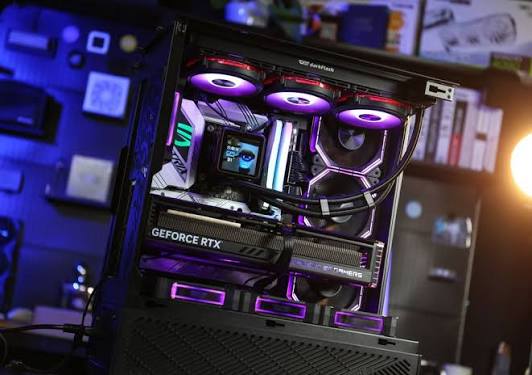
Gigabyte has increased prices on several of its graphics cards by as much as 15%, becoming one of the latest hardware manufacturers to respond to rising production costs driven by the AI boom. The price adjustments affect multiple models in the company’s lineup, including Nvidia GeForce RTX 50-series graphics cards, as manufacturers grapple with higher costs for advanced GDDR7 memory, semiconductor wafers, and packaging technologies. Industry analysts say the increases reflect broader pressures across the graphics card market rather than a Gigabyte-specific decision.
The primary driver behind the price hikes is the global shortage of advanced memory chips. As companies such as Nvidia, AMD, Microsoft, Google, and OpenAI continue investing billions of dollars in AI infrastructure, memory manufacturers have shifted production toward high-bandwidth memory (HBM) used in AI accelerators. This has reduced the availability of consumer graphics memory, causing prices for GDDR7 and other components to climb sharply. Rising wafer costs from TSMC and higher packaging expenses have further increased manufacturing costs for board partners like Gigabyte.
Consumers are already beginning to feel the impact. Retail prices for many premium GPUs have moved well above their original launch prices, making it more expensive for gamers, content creators, and PC enthusiasts to upgrade their systems. Some distributors have also reported temporary shipment delays as manufacturers adjust pricing and manage inventory. Analysts warn that if memory shortages persist, additional price increases from other graphics card brands could follow in the coming months.
Gigabyte’s decision reflects a wider trend across the technology industry, where rising semiconductor costs are affecting everything from graphics cards and gaming consoles to laptops and smartphones. Manufacturers are increasingly passing higher component costs on to consumers after absorbing much of the impact over the past year. The rapid expansion of AI data centers has fundamentally changed demand for memory and advanced semiconductor manufacturing, creating supply constraints that extend well beyond the gaming market.
The latest GPU price hikes underscore how the AI revolution is reshaping the broader electronics industry. As demand for AI hardware continues to outpace global production capacity, experts expect component prices to remain elevated through the coming years unless significant new manufacturing capacity comes online. For consumers, that means graphics cards may remain considerably more expensive than in previous generations, while manufacturers continue balancing booming AI demand with the needs of the traditional PC gaming market.