OpenAI’s Brockman Warns AI-Driven Growth Could Widen Inequality
Greg Brockman says the rapid expansion of artificial intelligence could reshape work, wealth and taxation, making policies that distribute AI-generated prosperity increasingly important.

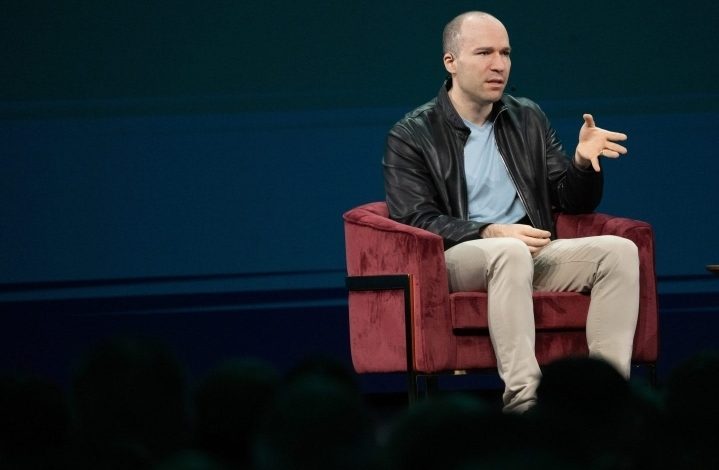
OpenAI President and co-founder Greg Brockman has warned that the economic transformation driven by artificial intelligence could create significant challenges if the benefits of AI become concentrated among a relatively small group of companies and investors. His concerns form part of OpenAI’s broader policy discussion about how governments can prepare for an economy where AI plays a much larger role in production and decision-making.
A central concern is that AI could change the traditional relationship between economic growth and employment. As companies use increasingly capable AI systems to automate parts of knowledge work, a larger share of economic value could potentially flow toward capital owners and technology companies rather than workers. OpenAI has warned that this shift could weaken tax revenues traditionally generated through wages and payroll taxes while increasing the importance of corporate profits and capital gains.
OpenAI has proposed several ideas to address this potential imbalance, including shifting some taxation from labor toward capital and considering mechanisms that would allow the public to benefit directly from AI-driven economic growth. One proposal is a Public Wealth Fund that could give citizens an economic stake in AI companies and infrastructure, with returns distributed to the public. The company has also discussed measures such as stronger retirement contributions and support for shorter working weeks.
Brockman has also emphasized that AI’s economic impact should not be viewed only through the lens of job losses. AI could increase productivity, create new industries and accelerate scientific and technological progress. The challenge, therefore, is ensuring that the gains from those developments are broadly distributed rather than allowing technological progress to deepen existing economic divisions. The United Nations has similarly warned that uneven AI adoption could exacerbate global inequality without stronger international cooperation and policies.
The debate highlights one of the biggest questions surrounding the AI revolution: who ultimately benefits from the enormous economic value created by increasingly capable machines? OpenAI’s proposals suggest that technological progress alone may not guarantee broadly shared prosperity. Governments, businesses and workers may need to rethink taxation, employment and social policy as AI becomes more deeply integrated into the global economy.