Microsoft’s AI Chips Are Sitting Idle as Data-Center Power Lags
Microsoft has invested heavily in AI hardware, but power shortages, construction delays and unfinished data-center capacity are reportedly preventing some of its chips from being deployed.

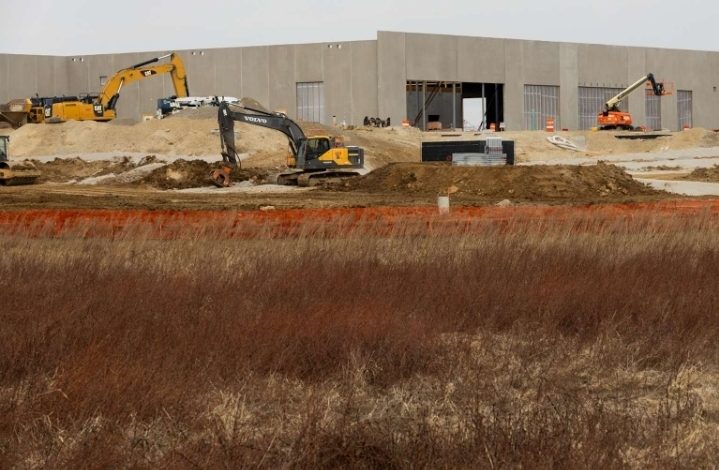
Microsoft is facing an unusual problem in the AI infrastructure race: it has acquired enormous amounts of computing hardware, but some of that hardware reportedly cannot be put to work because the company does not yet have enough completed data-center capacity and electricity. A new investigation says the bottleneck is increasingly shifting from obtaining AI chips to actually installing and powering them.
The issue reflects the enormous infrastructure requirements of modern AI. Microsoft has invested roughly $280 billion in AI infrastructure since 2022, while adding about 5 gigawatts of data-center capacity over two years, according to the investigation. Yet external estimates suggest that some of the company’s planned computing capacity remains unavailable because facilities have not been completed or connected to sufficient power. Microsoft disputes the investigation’s methodology and says some of its estimates are inaccurate.
Microsoft CEO Satya Nadella has previously described the industry’s problem as a shortage of electricity and completed infrastructure rather than a shortage of AI processors. He noted that companies could have GPUs sitting in inventory that they cannot immediately connect because the necessary power and data-center infrastructure is unavailable.
The situation highlights one of the biggest challenges facing the AI industry. Building AI capacity requires far more than buying GPUs or custom accelerators. Companies need land, data centers, networking equipment, cooling systems, electrical connections and enormous amounts of reliable power. Microsoft is simultaneously developing its own Maia AI accelerators, including Maia 200, which is designed specifically for AI inference and is built on TSMC’s 3nm process.
Microsoft’s experience demonstrates that the next phase of the AI race may be determined less by who can purchase the most chips and more by who can successfully deploy and power them. As hyperscalers continue spending billions on AI infrastructure, electricity availability and data-center construction could become some of the industry’s most important constraints. The ability to turn expensive hardware into productive computing capacity will ultimately determine how much value companies can extract from their enormous AI investments.