CXMT Rejects Apple’s Push for Cheaper Memory Chip
China’s CXMT has reportedly refused Apple’s request for lower-priced LPDDR5X memory, weakening Apple’s attempt to use a new supplier to reduce rising iPhone component costs.

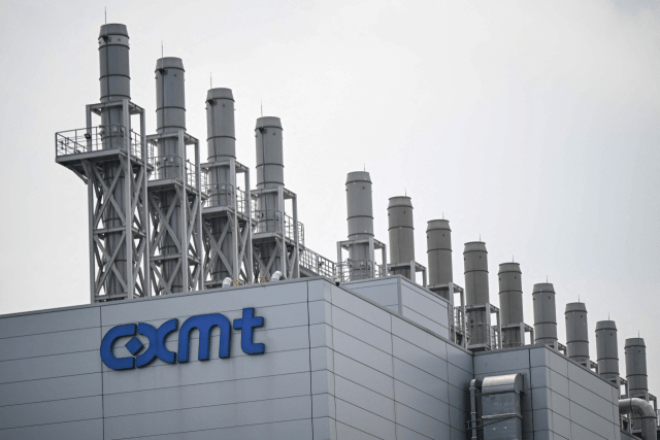
Apple’s effort to secure cheaper memory chips from Chinese semiconductor manufacturer CXMT has reportedly hit a major obstacle. Apple has been exploring CXMT as an alternative source of LPDDR5X memory as prices from established suppliers such as Samsung and SK Hynix continue to rise. However, CXMT reportedly rejected Apple’s request for a discount, with its proposed prices at or above those of the major Korean suppliers.
The development is significant because Apple had hoped that adding another supplier could strengthen its negotiating position. By bringing CXMT into discussions, Apple could potentially reduce its dependence on Samsung and SK Hynix and put greater pressure on them to lower prices. Instead, CXMT’s refusal means Apple has less leverage at a time when memory components are becoming increasingly expensive.
CXMT also has little reason to aggressively cut prices. Reports indicate that the Chinese memory maker already has strong demand from major domestic technology companies, with its production capacity heavily committed. This gives CXMT greater flexibility to prioritize existing customers rather than accept lower-margin business from Apple.
The situation comes amid a broader memory shortage driven partly by the rapid expansion of artificial intelligence infrastructure. Major semiconductor manufacturers are allocating significant capacity toward high-bandwidth memory and other components required for AI data centers, putting additional pressure on conventional memory supplies used in smartphones and computers. Apple is therefore facing higher component costs while preparing future iPhone models.
For Apple, the failed pricing push could have consequences beyond its supplier negotiations. If memory prices remain elevated and Apple cannot secure meaningful discounts, some of those additional costs could eventually be reflected in product pricing. The episode also shows how difficult it can be for Apple to diversify its semiconductor supply chain while balancing cost, capacity, technology and geopolitical considerations.