SpaceX Plans Nvidia-Powered AI Satellites for 2027
SpaceXAI is preparing to take AI computing into orbit, with its first-generation Starmind satellite planned to use Nvidia’s Vera Rubin computing platform.

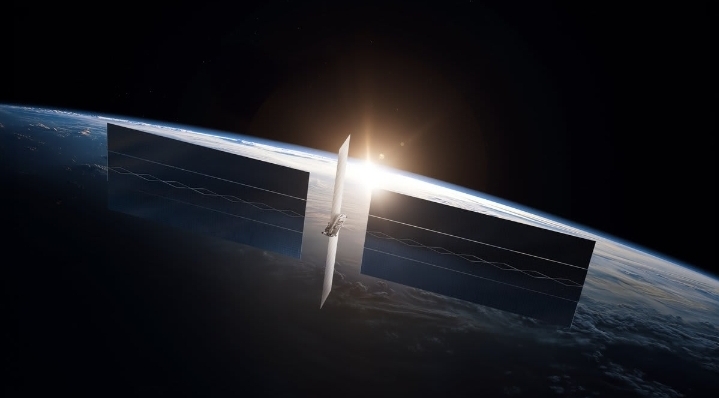
SpaceX is accelerating plans to build AI data centers in space, with the first-generation Starmind satellites now targeted for launch in the fourth quarter of 2027. The project represents a major expansion of SpaceXAI’s computing strategy, moving AI infrastructure beyond conventional terrestrial data centers and into low Earth orbit.
The satellites will use Nvidia’s Vera Rubin architecture, with an optimized NVL72 system designed for the demanding conditions of space. Nvidia says SpaceXAI plans to use Vera CPUs and Vera Rubin systems for its next generation of agentic AI workloads, including the infrastructure supporting Grok.
Space-based computing could offer several potential advantages. Satellites can process information directly in orbit instead of sending enormous amounts of raw data back to Earth first. That could reduce latency and bandwidth requirements for applications involving satellite imagery, communications and other data-intensive workloads. SpaceX has already described future AI compute constellations using larger solar panels, energy storage and high-capacity networking.
The project is also part of a much larger computing expansion. Elon Musk has said SpaceXAI intends to scale its AI infrastructure toward gigawatts of computing capacity, while the Starmind project would extend that architecture from Earth-based AI factories into orbit. SpaceX is targeting significant expansion of the orbital network during 2028 after the initial launches.
However, operating powerful AI hardware in space presents major engineering challenges, including power generation, thermal management, radiation, communications and hardware reliability. Researchers studying orbital AI infrastructure have identified energy and thermal constraints as important limitations on sustained computing performance.
If SpaceX succeeds, Starmind could mark a significant change in the economics and architecture of AI computing. Instead of every AI workload depending on massive facilities on Earth, some processing could eventually occur in orbit. The first 2027 launches will therefore be closely watched as an early test of whether space can become a practical location for large-scale AI infrastructure.