Bitcoin Falls 4.6% as Rising Bond Yields Pressure Risk Assets
Bitcoin came under renewed pressure as higher U.S. Treasury yields reduced appetite for riskier assets, highlighting the growing influence of macroeconomic conditions on cryptocurrency markets.

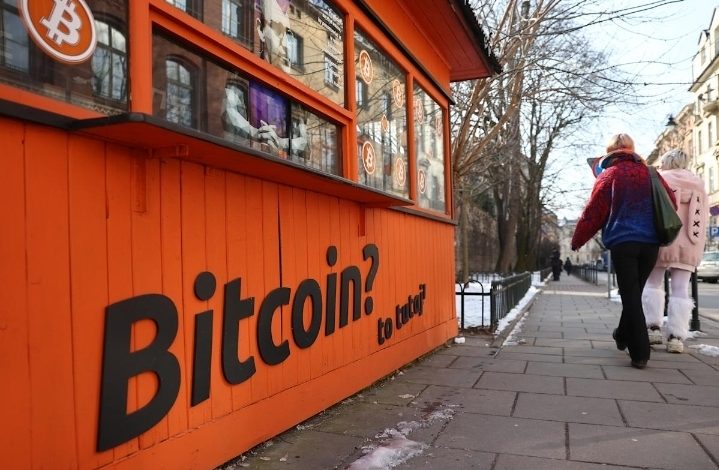
Bitcoin has faced renewed selling pressure as rising bond yields weigh on investor appetite for riskier assets. Recent market data shows the cryptocurrency trading around the $62,000–$63,000 range, with the decline coming as U.S. Treasury yields remain elevated. The 10-year Treasury yield has been around 4.6%–4.7%, making government debt increasingly attractive compared with assets that do not generate traditional yield.
Higher bond yields can create pressure across financial markets because they increase the return investors can earn from relatively lower-risk government securities. When yields rise, investors may become less willing to hold highly volatile assets such as Bitcoin. Market analysts have repeatedly identified this relationship as an important factor behind Bitcoin’s sensitivity to changes in interest-rate expectations and Treasury yields.
The latest decline comes after Bitcoin struggled to maintain momentum above the $65,000 area. Recent trading data showed the cryptocurrency testing support around $62,500, while attempts to break above $65,000 repeatedly failed. That has left traders watching the $62,000 region closely as an important short-term support zone.
Macroeconomic conditions remain particularly important. Investors are monitoring inflation, Federal Reserve policy and movements in government bond yields for clues about where liquidity could move next. If yields remain elevated, financial conditions could stay relatively tight and continue to limit demand for speculative assets. Conversely, a sustained decline in yields could provide some relief for Bitcoin and other risk-sensitive markets.
The latest move demonstrates that Bitcoin is increasingly influenced by the same global forces affecting traditional financial markets. Although cryptocurrency has its own supply dynamics and market-specific factors, changes in interest rates, bond yields, inflation and liquidity can have a significant impact on investor sentiment. For now, Bitcoin remains under pressure, with traders watching whether it can defend the $62,000–$62,500 region or regain momentum toward higher resistance levels.