Sam Altman Says He Was Wrong About How Quickly AI Would Transform the Economy
OpenAI’s CEO says he underestimated the inertia of businesses and society, which has made AI’s economic disruption slower than he expected.

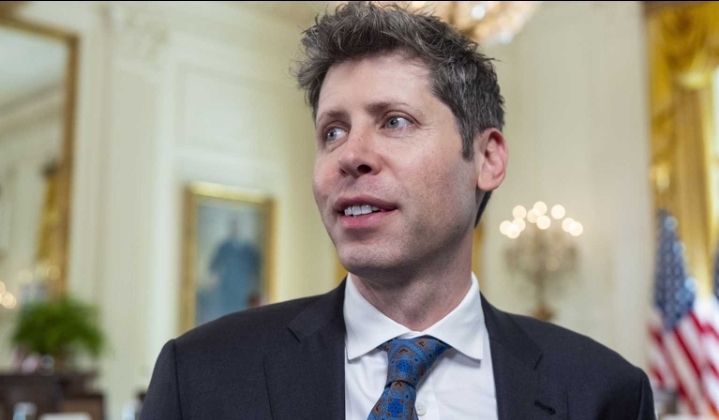
OpenAI CEO Sam Altman has acknowledged that he misjudged the speed at which artificial intelligence would transform businesses and the wider economy. In a recent conversation with entrepreneur and podcast host David Senra, Altman said that after the launch of GPT-4 in 2023, he expected much faster disruption across software companies and other industries. Instead, businesses have been slower to change than he anticipated.
Altman attributed part of the difference to what he described as the inertia of the economy. Companies tend to continue using familiar products, purchasing from established suppliers and maintaining existing workflows even when new technologies become available. This means that having powerful AI technology does not automatically cause organizations to immediately rebuild their businesses around it.
His comments also follow earlier remarks about AI and employment. In May, Altman said he had expected significantly more entry-level white-collar jobs to disappear by 2026 than have actually been eliminated. He said he was pleased to have been wrong, while still warning that AI could eventually have a much larger impact on employment.
The admission does not mean Altman has abandoned his belief in AI’s transformative potential. Instead, his position appears to be that the technology is advancing faster than society can absorb it. AI systems may become increasingly capable, but organizational change requires management decisions, employee adaptation, new regulations, customer acceptance and substantial investment.
Altman’s revised timeline highlights an important distinction in the AI debate: technical progress and economic adoption are not the same thing. AI capabilities can improve rapidly while businesses take years to change their processes. The next stage of the AI revolution may therefore depend less on how quickly models become more powerful and more on how quickly companies and society learn to integrate them into everyday work.