Memory Chip Stocks Slide as Fresh Competition Fears Shake the AI Boom
Shares of major memory chipmakers fell sharply as investors reacted to growing concerns over China's rapid semiconductor advances, raising questions about future pricing power and the sustainability of the AI-driven chip rally.

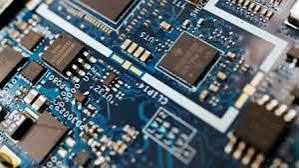
Global memory chip stocks came under heavy selling pressure after renewed concerns about rising competition in the semiconductor industry sparked another wave of volatility across AI-related equities. Investors have poured billions into memory chip manufacturers over the past two years, driven by the explosive demand for artificial intelligence infrastructure. However, fresh developments suggest that the competitive landscape may be changing faster than many had anticipated.
At the center of the selloff is growing optimism surrounding China’s domestic semiconductor industry. Reports that Chinese companies are making significant progress in memory chip manufacturing and chipmaking technology have fueled concerns that established market leaders could face increasing pricing pressure in the years ahead. While companies such as Samsung Electronics, SK Hynix, Micron Technology, and other leading memory producers remain dominant in advanced memory products, investors fear that rising competition could eventually narrow profit margins.
The decline reflects a broader shift in investor sentiment toward AI infrastructure stocks. Throughout the past year, memory chip manufacturers have been among the biggest winners of the artificial intelligence boom. High Bandwidth Memory (HBM), an essential component used alongside AI accelerators from companies like Nvidia, has experienced extraordinary demand as cloud providers race to build next-generation data centers. This demand helped drive record earnings and soaring share prices across the semiconductor industry.
However, markets are increasingly questioning whether expectations have become too optimistic. Analysts note that valuations for many AI-related companies had already reached historically high levels, leaving little room for disappointment. Any indication of slowing demand, increased supply, or stronger competition is now capable of triggering sharp market corrections.
Another factor weighing on investor confidence is uncertainty surrounding future AI infrastructure spending. Technology giants continue investing heavily in artificial intelligence, but investors are becoming more focused on whether those investments will generate sustainable financial returns. If spending slows or hardware requirements become more efficient over time, demand for memory chips could grow at a slower pace than previously expected.
Despite the recent decline, many industry experts believe the long-term outlook for memory chips remains strong. Artificial intelligence applications continue to require enormous amounts of high-speed memory for training and inference workloads. As AI models become larger and more sophisticated, advanced memory technologies are expected to remain critical components of future computing infrastructure.
Nevertheless, the latest selloff serves as a reminder that even industries benefiting from powerful long-term trends are not immune to market volatility. Investors are now closely watching upcoming earnings reports, production forecasts, and developments in China’s semiconductor sector to determine whether the recent decline represents a temporary correction or the beginning of a broader reassessment of AI-related valuations. While the AI revolution continues to reshape the global technology industry, the race to dominate the memory chip market is becoming increasingly competitive—and financial markets are responding accordingly.